What to Do If Water Leaks Near Electrical Fittings
If you find water leaks near electrical fittings, act quickly. Clear the area to stop crashes and take photos for documents. Do not touch electrical installations; it's risky. Turn off the power at the breaker, utilizing rubber gloves for defense. When the power is off, evaluate for damage, looking for indications of deterioration or distorted materials. If things seem serious, call a competent professional to help handle the scenario securely. Much more crucial steps await.
Takeaways
- Right away isolate the location by removing surrounding products to stop accidents and ensure security.
- Record the leak with images and notes to supply a clear assessment for professionals.
- Prevent touching electric installations or home appliances to lessen the threat of electrical shock.
- Turn off power at the circuit breaker if risk-free, using rubber handwear covers for defense.
- Get in touch with a certified electrician to examine and repair any electric hazards from the leak.
Identifying the Signs of Water Leakages Near Electric Fittings
You may not always observe water leaks near electrical fittings right away, yet being alert can prevent severe threats. Look for signs like staining or moisture around buttons and receptacles. These can suggest hidden rust that endangers the stability of your electrical system. Likewise, check for local electrician maidstone peeling paint or distorted surface areas, which may suggest insulation deterioration as a result of extended exposure to dampness. If you see any type of rust or mineral down payments, do not neglect them; they can signal a leak that's affecting your electrical wiring. Frequently check these areas, specifically after heavy rains or plumbing job, to catch problems early. Staying conscious can save you from prospective electrical fires or shocks and keep your home safe.

Immediate Actions to Take When You Locate a Leakage
Finding a leak near electric installations can be alarming, specifically after finding indications of wetness or staining. Here's what you should do quickly:
ActionDescription Isolate AreaClear the location around the leak to stop crashes. Record IssuesTake photos and notes of the leak's area and extent. Avoid CallDon't touch any kind of electric fittings or home appliances. Look For Specialist HelpCall a certified electrician to evaluate the scenario.
These steps can aid reduce dangers till you can deal with the leakage appropriately. Remember, safety and security is your leading priority. Don't attempt to take care of the problem yourself; leave that to the experts.
How to Safely Close Off Power Throughout a Leakage
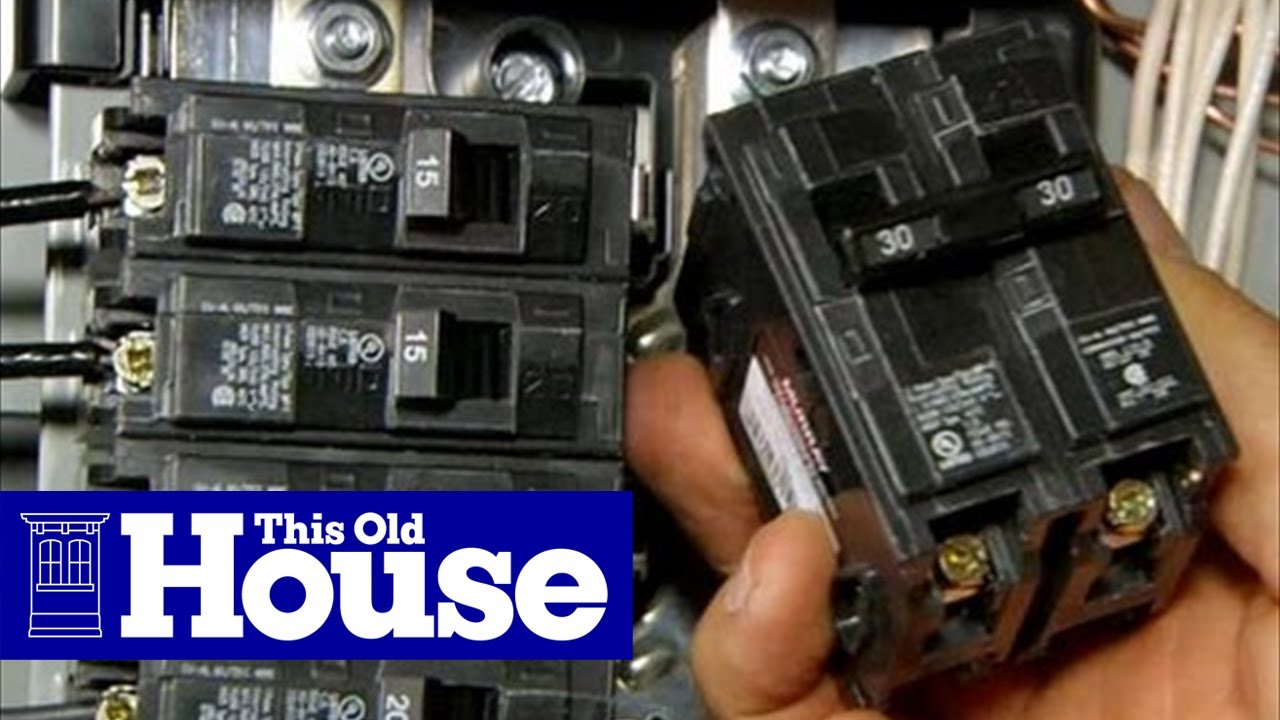
When a leakage takes place near electric fittings, shutting off the power is crucial for safety and security. First, find your breaker and determine the breaker that regulates power to the affected area. Before you continue, make certain you put on rubber gloves to secure yourself from any type of potential electrical shock. If the leakage is substantial, it's ideal to call a professional rather than trying to switch off the power yourself. However, if you really feel positive, turn off the breaker by strongly turning it to the "off" placement. When the power is off, prevent any type of call with water up until the location is completely dry. Remember, your safety and security comes initially; constantly err on the side of care when handling electrical power and water.
Exactly How to Examine Damages After a Leakage
After seeing to it the power is off, it's time to examine the damage caused by the leakage. Beginning by very carefully evaluating the affected area to recognize any type of risks. Here's a quick list to assist you:
- Conduct an architectural evaluation: Search for indicators of water damage in walls, ceilings, and floorings. Check for warped or tarnished products.
- Check electric fittings: Analyze receptacles and buttons for rust or wetness.
- Inspect appliances: Confirm any type of affected home appliances are securely unplugged and evaluate their problem via appliance testing.
- File the damage: Take pictures and notes for insurance coverage objectives or future reference.
Knowing When to Call in the Professionals
Also if you have actually evaluated the damage, recognizing when to call in the specialists is crucial for your safety and the honesty of your home. If you observe any type of indicators of electrical issues-- like flickering lights or uncommon sounds-- do not be reluctant to work with specialists. Water and electricity are a dangerous combination, and only qualified specialists can ensure risk-free repair services. Additionally, if you plan to file insurance policy cases, having actually accredited professionals document the damages can aid enhance the procedure. They'll offer necessary records and proof, making your insurance claim extra credible. Keep in mind, it's better to err on the side of caution. Relying on the right experts not just shields your home but additionally offers you reassurance. Do not take unneeded dangers with your security.
Often Asked Inquiries
Can Water Damages Electric Fittings Reason Fires?
Yes, water damages to electrical fittings can cause fires. When wetness seeps in, it can lead to electric arcing, which takes place when power hurdles a void. This can lead to insulation malfunction, enabling existing to run away and produce stimulates. If you observe water near your electrical installations, it's vital to address it quickly. Overlooking the issue can bring about major hazards, consisting of potential fires and electric shock. Always focus on safety and security.
How Can I Protect Against Future Leaks Near Electric Locations?
To stop future leaks near electrical areas, begin by sealing spaces around pipelines and installations to obstruct dampness. Next, consider rerouting circuitry far from possible leak zones, ensuring it's secured from water damages. On a regular basis check for indicators of wear or damage in both plumbing and electrical systems. By taking these positive steps, you'll lower the threat of leaks and guard your home's electric integrity. Remain vigilant and prioritize safety!
What Insurance Policy Covers Water Damages to Electric Solutions?
Your home owner's insurance coverage normally covers water damages to electrical systems, but it depends upon your plan restrictions and the root cause of the leakage. It's essential to check your details policy information, as some insurers may exclude particular sorts of water damages. If you're uncertain, take into consideration contacting your insurance coverage agent for information. Constantly record any damage, as this can aid when filing a case to guarantee you get the insurance coverage you need.
Are There Certain Safety And Security Gear Needs During a Leakage?
Yes, there are particular safety and security gear needs throughout a leakage. You ought to wear rubber gloves to shield your hands from electric shock and dampness. Protected boots are also necessary, as they assist maintain you secure from possible electric risks on damp surface areas. Always prioritize your safety and security by ensuring you have the right equipment before dealing with any leakages, especially near electric installations. It's much better to be mindful than to risk injury.
Just how Lengthy Does It Take for Electrical Installations to Dry?
Drying times for electric fittings can vary, yet it normally takes 24 to 48 hours for them to completely dry. Keep an eye on dampness indicators, like moisture or condensation, to assess their status. If you observe any kind of lingering moisture, it's vital to make sure every little thing's totally dry before using the fittings once again. Always prioritize safety and security and take into consideration consulting a specialist if you doubt concerning the drying process.